Music
IN
Therapy
OR THE
Therapy
OF
Music
Music therapy is an established psychological clinical intervention, delivered by a HCPC (The Health and Care Professions Council) registered music therapist to help people whose lives have been affected by injury, illness or disability through supporting their psychological, physical and social needs.
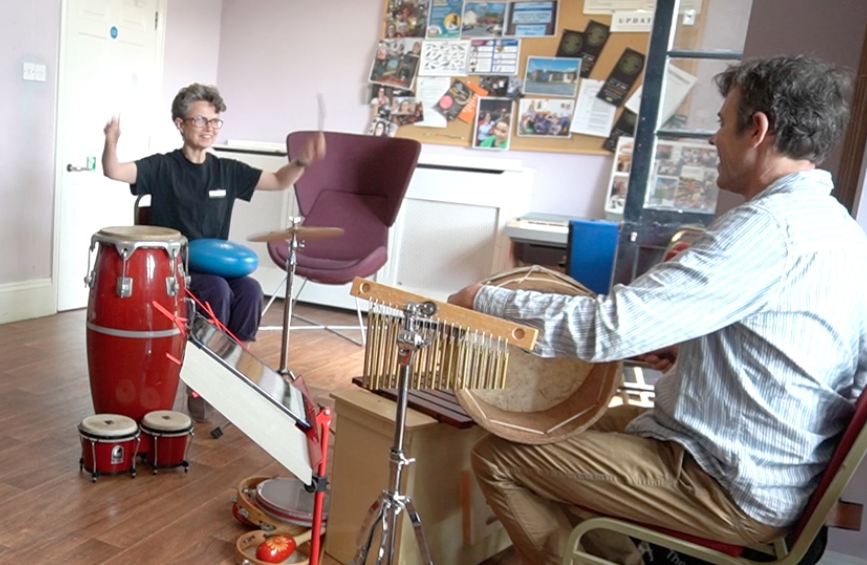
The music therapist draws upon the innate qualities of music to support people of all ages and abilities and at all stages of life. Central to how music therapy works is the therapeutic relationship that is established and developed, through engagement in live musical interaction and play between a therapist and client.
A wide range of musical styles and instruments can be used, including the voice, and the music may often be improvised. Using music in this way enables clients to create their own unique musical language in which to express themselves. Songs known to a client may also be a way of supporting their wellbeing, or the creation of new compositions in the form of songwriting, which equally can allow for the client’s unique expression.
Rhythm is also an important aspect of music therapy, as it can offer a helpful structure for the client, in providing security and assurance, as well as strengthening coordination and attention.
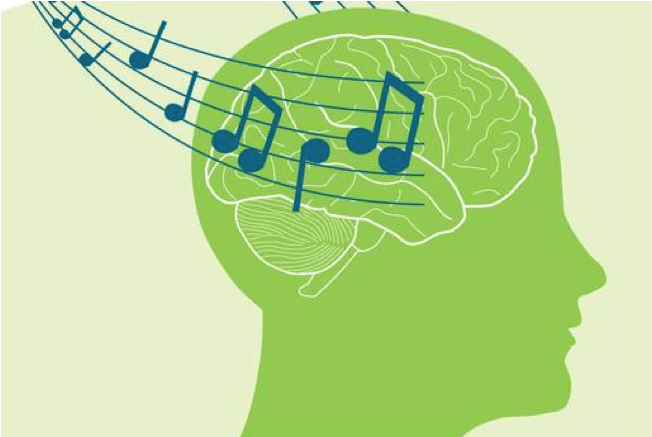
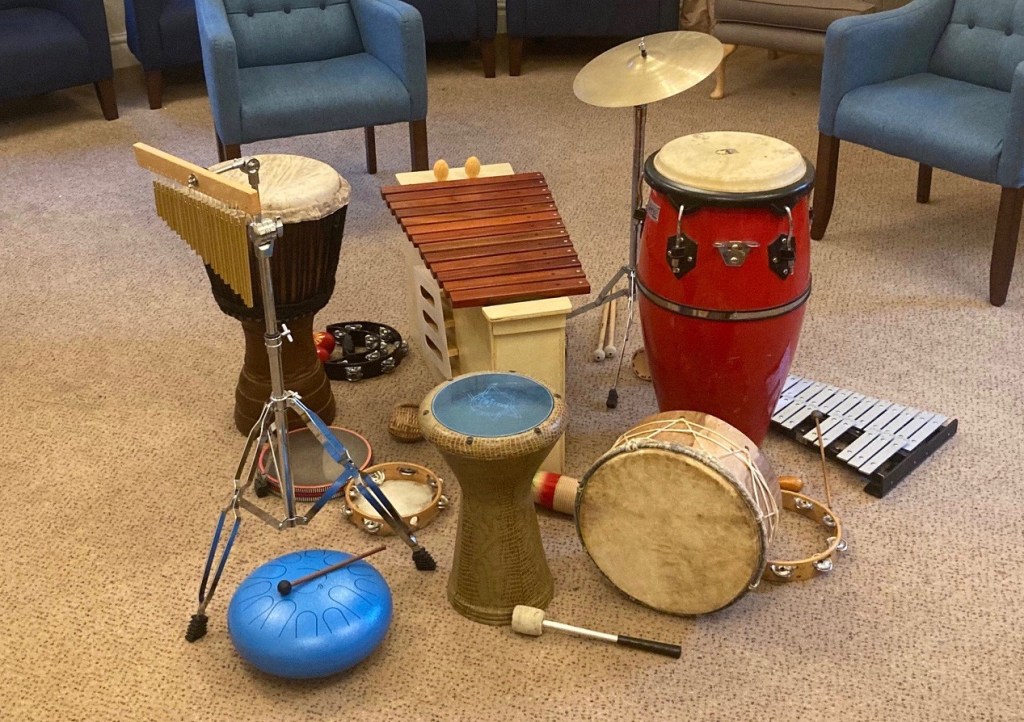
“Music is the only thing we can engage with that activates every part of our brain.”
Dr. Annie Heiderscheit
.
Neurologic Music Therapy
Neurologic Music Therapy (NMT), a specialised branch of Music Therapy, is the evidence-based therapeutic application to support and rehabilitate patients with neurologic disorders of the nervous system. It uses music to achieve non-musical goals in four main areas of human functioning:

Physical
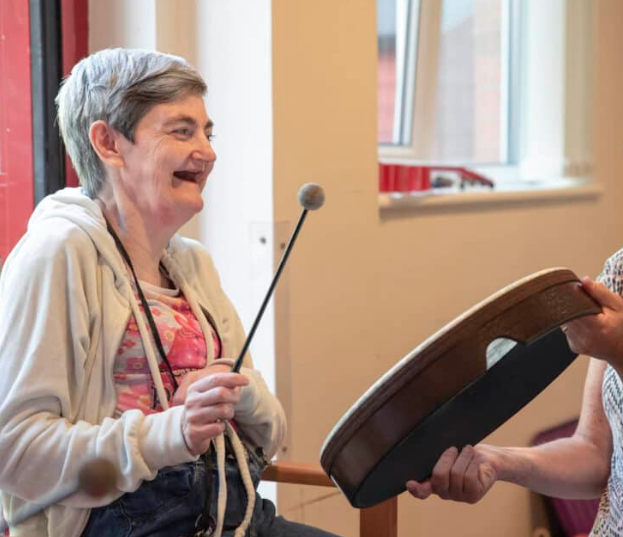
Cognitive

Communicative
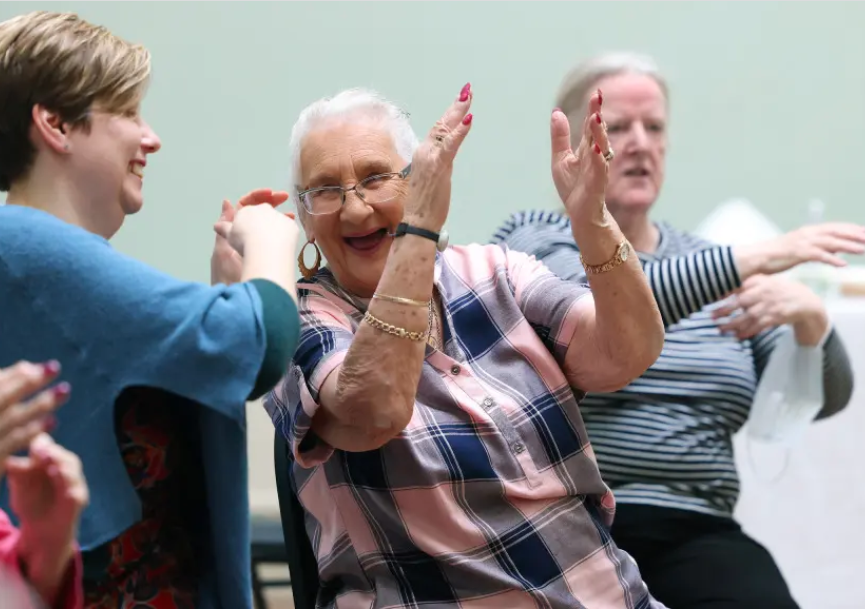
Emotional
Tony is a trained and certified Neurologic Music Therapist, and uses a range of NMT techniques to best support the needs of patients with neuro-disabilties.
 Tony Almond